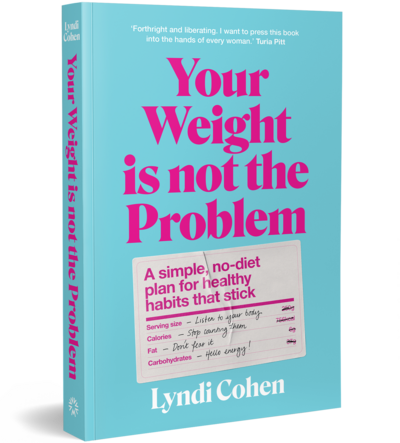


Someone once said to me, right before I went on stage to speak: “Don’t tell me you’re one of those nutritionists who’s never struggled with their weight.”
She had no idea.
I was put on my first diet at 11 years old. What followed was more than a decade of binge eating, diet cycling, shame, and a relationship with food that was quietly falling apart — even while people told me I looked great.
I’m sharing this because the thing that finally helped me wasn’t another diet, more willpower, or stricter rules. It was understanding what was actually causing the binge eating in the first place. And that’s what I want to explain here.
How My Binge Eating Started
At 11, I was put on what was called a “healthy eating plan.” It wasn’t healthy. It was a diet in disguise — weigh-ins, meal plans, portion control. The message, whether intentional or not, was that my body as it was needed to be fixed.
For the next decade, I tried everything. Low-carb, no-sugar, juice cleanses, you name it. I was praised for losing weight, even when I was miserable. Even when what I was doing was disordered. The world kept telling me I was doing well, so I kept going.
The pattern was always the same. I’d under-eat during the day, white-knuckling it through hunger, telling myself I was being “good.” Then I’d binge at night — cereal, peanut butter by the spoonful, chocolate, whatever was there. I’d hide the wrappers. The shame would build. And every morning I’d promise myself today would be different.
On the outside, I looked “healthier.” On the inside, I was trapped in guilt, anxiety, and a constant obsession with food that I couldn’t turn off.
Why Dieting Made My Binge Eating Worse
This is the part nobody told me: dieting doesn’t fix binge eating. For most people, it causes it.
When you restrict what you eat — whether through calorie counting, food rules, or cutting out entire food groups — you create a state of physical and psychological deprivation. Your body responds to that deprivation by intensifying hunger signals and food preoccupation. Your mind starts fixating on the foods you’ve labelled as off-limits. And eventually, the restriction gives way — not because you’re weak, but because restriction is unsustainable.
The tighter the rules, the bigger the release. That’s the restrict-binge cycle, and dieting is what keeps it going.
I wasn’t broken. Dieting was to blame.
What Does Binge Eating Recovery Actually Look Like?
Recovery isn’t a single moment. It’s a gradual process of unlearning the beliefs and patterns that created the problem in the first place. For me, it took years — years of rebuilding trust with my body, learning to stop fearing hunger, and figuring out how to eat without rules.
These are the things that actually made a difference.
Stopping the Restriction
The most counterintuitive step in recovery is giving yourself genuine permission to eat — all foods, without categorising them as good or bad. Not as a reward, not on weekends, not “in moderation” as a rationed treat. Real, unconditional permission.
This feels terrifying when you’ve spent years restricting. But the psychological charge that makes certain foods binge triggers — the urgency, the “I’d better eat it all now before the diet starts again” feeling — dissolves when nothing is forbidden. It takes time, but it works.
Eating Enough During the Day
Nighttime binge eating is almost always downstream of daytime under-eating. When you don’t eat enough, or skip meals, or eat food that doesn’t genuinely satisfy you, you arrive at the evening depleted — and bingeing becomes almost inevitable.
Eating regular, satisfying meals throughout the day is one of the most effective things you can do to break the cycle. Not diet food. Real food that you actually enjoy and that leaves you feeling genuinely full.
Understanding the Emotional Triggers
Not all binge eating is driven by physical hunger. For many people — including me — food became a way to manage difficult emotions. Stress, boredom, loneliness, anxiety. Understanding which emotions or situations preceded binge episodes, and building other ways to respond to them, is central to lasting recovery.
This isn’t about eliminating emotions. It’s about having more than one tool for managing them.
Removing the Shame
Shame is rocket fuel for binge eating. The secrecy, the hiding, the guilt — all of it makes the eating more compulsive, not less. Recovery consistently goes better when people stop treating their eating as something shameful and start treating themselves with the same kindness they’d extend to someone they love.
That shift doesn’t happen overnight. But it’s probably the most important one.
How Long Does It Take to Recover From Binge Eating?
There’s no single answer, because recovery isn’t linear and it looks different for everyone. Many people notice meaningful shifts within weeks of addressing the key patterns — particularly once they stop restricting. Full recovery, where food simply isn’t a struggle, can take months to years.
What I can tell you is that progress happens all the way through, not just at the end. You don’t have to wait until you’re “fully recovered” to feel better. Each small change — eating a bit more during the day, dropping one food rule, being a bit kinder to yourself after a hard evening — moves you forward.
Do You Need Professional Help to Recover From Binge Eating?
It depends on the severity and how long it’s been going on. Some people make significant progress with structured self-help, particularly resources based on Cognitive Behavioural Therapy (CBT-E), which is the most evidence-based approach for binge eating. Others benefit from working with a therapist or dietitian who specialises in eating behaviour.
If your eating feels completely out of control, if it’s affecting your daily life, or if you’ve been struggling for a long time, seeking professional support is worth it. Binge Eating Disorder (BED) is a recognised clinical condition, and it responds well to treatment.
Either way: you don’t have to stay stuck where you are.
Frequently Asked Questions
Why do I binge eat at night even when I’m not hungry? Nighttime binge eating is usually the result of daytime restriction — not eating enough, skipping meals, or eating foods that don’t satisfy you. By evening, physical and psychological deprivation reaches a tipping point. Eating regular, satisfying meals throughout the day is the most effective way to reduce nighttime binge eating.
Is binge eating caused by lack of willpower? No. Binge eating is driven by restriction, psychological patterns, and often emotional triggers — not a character flaw or lack of self-control. Trying harder to resist doesn’t fix it; understanding what’s driving it does.
Why do I feel out of control around certain foods? The foods that feel most out of control are almost always the ones with the most rules attached to them. When a food is labelled as forbidden or “bad,” it becomes psychologically charged — which intensifies the urge to eat it. Removing the restriction removes the charge, over time.
Can you stop binge eating without giving up on health? Yes — and the two are more compatible than diet culture suggests. Building a healthy relationship with food, eating regularly, and moving your body in ways you enjoy are all sustainable. Restriction isn’t. Recovery from binge eating typically leads to better long-term health outcomes than continued dieting.
What’s the first step to stopping binge eating? The single most important first step for most people is stopping the restriction — not dieting, not cutting out food groups, not trying to be “good.” The restrict-binge cycle can’t be broken from the restriction end. It has to be broken by removing the restriction that’s driving it.
Is it normal to binge eat even as a nutritionist or health professional? Yes — and it’s more common than the wellness industry lets on. Disordered eating doesn’t discriminate by profession or level of nutrition knowledge. The shame that comes with being “someone who should know better” can actually make it harder to seek help. It’s worth knowing that recovery is possible regardless of how long the pattern has been there.
The Bottom Line
If you’re hiding empty wrappers, eating in secret, or feeling like food is something you’ll never be able to trust yourself around — I want you to know that I’ve been there. Exactly there.
And it doesn’t have to stay that way.
The binge eating wasn’t a character flaw. The dieting created it. And unlearning the dieting — slowly, imperfectly, over time — is what set me free from it. That’s why I do what I do.
If you’re ready to take the first step, my free Binge Free resource is a good place to start.
Access the free Binge Free resource →
Lyndi Cohen is an Accredited Practising Dietitian (APD), Credentialed Diabetes Educator, bestselling author, and resident nutritionist on Channel 9’s Today Show. She is the founder of The Nude Nutritionist and co-founder of Fearless Swimwear.